We are currently living in the golden age of "wellness consumerism." If you have spent any time on social media recently, you have likely been bombarded with advertisements for weighted blankets, blue-light-blocking glasses, bespoke supplements, and high-tech mattresses. The promise is always the same: buy this, and you will finally achieve the perfect night's rest.
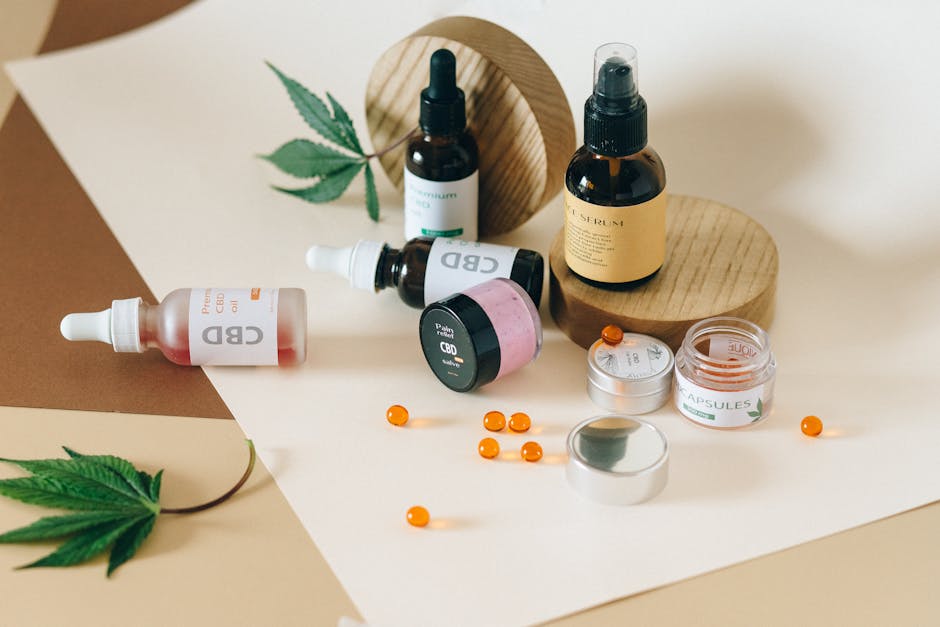
But here is the hard truth: sleep is a biological function, not a consumer good. When we lean into "search-first" healthcare—where our first instinct for a problem is to type a query into a search engine and click "buy"—we often ignore the fundamental behavior changes that actually move the needle. As someone who has spent seven years digging into health research, I have to ask: where did that claim come from? Most of the time, the "miracle" wellness promises circulating online lack any robust, peer-reviewed backing.
The Trap of Always-On Wellness
We are a culture obsessed with "always-on" wellness. We track our sleep cycles, our heart rate variability, and our oxygen levels, often creating a secondary anxiety that actually prevents us from falling asleep. This phenomenon, often called orthosomnia, turns the act of resting into a high-pressure performance.
When you start your health journey by looking for a product, you are essentially trying to patch a structural issue with a piece of tape. The reality is that evidence-based sleep support is boring. It does not require a fancy gadget. It requires consistency, psychological regulation, and a hard look at your daily habits. If a trend on Instagram or TikTok promises you a "sleep hack" that involves an expensive purchase, pause. Ask yourself: is this backed by clinical data, or is it just a clever marketing campaign?
Evidence-Based Sleep Hygiene
The NHS provides some of the most reliable, no-nonsense guidelines on sleep hygiene. They don't sell you a supplement or a smart light. They focus on behavioral changes that signal to your body that it is time to wind down. Let’s look at the foundational pillars of sleep hygiene that cost absolutely zero dollars.
1. Temperature and Light Regulation
Your body is hardwired to respond to environmental cues. Your circadian rhythm relies on light signals to determine whether you should be alert or resting. Instead of https://smoothdecorator.com/preparation-is-power-what-to-bring-to-your-appointment-beyond-just-your-symptoms/ buying expensive "smart" bulbs, focus on the free option: open your blinds the moment you wake up. Get natural sunlight into your eyes early in the morning. When it comes to the evening, keep your environment cool. The body needs to drop its core temperature to initiate sleep. You don't need an expensive cooling mattress; open a window or adjust your thermostat.
2. The "No-Screen" Buffer
We use our smartphones for everything, but they are the primary enemy of natural melatonin production. It is not just the blue light; it is the content. Scrolling through a feed triggers a dopamine response that keeps the brain engaged. If you are going to use your smartphone, use it as a tool for transition rather than stimulation.
3. Consistency is King
The most powerful sleep aid is a rigid schedule. Waking up at the same time every day—even on weekends—is significantly more effective than any herbal tea or supplement. Your brain loves predictability.
Using Technology Intelligently
I am not anti-technology. I am anti-mindless consumption. You likely already have a smartphone; use it to facilitate calm, not chaos. Instead of mindless scrolling, use it for guided audio content. Podcasts are excellent tools for sleep, provided they are not high-energy Learn more talk shows. Look for podcasts that focus on ambient soundscapes, long-form historical narratives, or guided breathing exercises.
The goal is to keep your eyes closed. When you listen to a podcast, you are engaging your auditory senses without forcing your brain to process high-intensity visual information. This allows you to drift off without the "always-on" anxiety of checking notifications.
Comparing Wellness Myths vs. Reality
To cut through the fluff, here is a breakdown of how the wellness industry lures you in versus what the actual clinical research suggests.
The Trend The Marketing Promise The Evidence-Based Reality Expensive Sleep Supplements "Deep sleep in a bottle." Minimal to no clinical evidence for long-term use. Blue-Light Blocking Glasses "Neutralize screen damage." Just turning off the screen is 100% effective. Weighted Blankets "Instantly reduces cortisol." Subjective comfort; no miracle cure for insomnia. Routine Consistency "Boring, but requires effort." The gold standard for circadian health.
Managing Stress Without a Price Tag
Many of us cannot sleep because we are stuck in a cycle of physiological arousal. We carry our stress from the office to the dinner table and finally to the bedroom. Stress management is the most overlooked component of sleep hygiene. If your nervous system is in a "fight or flight" state, a fancy silk pillowcase will not save you.
Consider techniques like Progressive Muscle Relaxation (PMR) or box breathing. These methods are free, take five minutes, and are rooted in physiology. They force the parasympathetic nervous system to take over, which is a prerequisite for falling asleep. When you see wellness gurus suggesting "stress-relief" gummies, ask yourself: is this product actually doing the work, or are you paying for a placebo while ignoring the root cause of your stress?
Navigating Health Claims: A Professional Perspective
I have spent enough time in the health writing space to see trends come and go. When I look at the landscape of modern medicine, I am encouraged by the availability of evidence-based care. For instance, clinics like Releaf emphasize a structured, clinical approach to health rather than relying on the "buy-this-to-get-fixed" culture. This shift toward evidence-based inquiry is vital.
When you consume health information online, you need to apply a skeptical filter. If a piece of content tells you that a single product will solve a complex health problem, it is almost certainly overconfident, if not outright misleading. Real medical advice should be personalized, not mass-marketed to a social media audience.
A Checklist for Vetting Claims:
- Who is saying it? Is it a qualified healthcare professional, or an influencer with a sponsorship deal? Is there a source? Does the article link to a peer-reviewed study, or just another blog post? Is it a "miracle"? If it sounds too good to be true, your skepticism is correctly calibrated. What is the incentive? Does the author benefit financially from your purchase?
The Shift to Evidence-Based Behavior
The next time you find yourself struggling to sleep, stop searching for products. Instead, look at your behavior. Are you engaging in a "search-first" cycle of buying gadgets to fix a lifestyle problem? Are you ignoring the basics of sleep hygiene in favor of the latest "hack"?
True wellness is not something you can add to your shopping cart. It is built through the small, repetitive choices we make every day. Dim the lights. Put the phone away. Read a book. Listen to a quiet podcast. Respect your biological need for rhythm. By removing the clutter of consumerism, you create the space for the one thing that actually works: high-quality, restorative sleep.
Your health is not a product. Don't let the internet convince you otherwise.