When it comes to improving your sleep quality, especially for gamers, athletes, or anyone chasing better recovery, two popular strategies often come up: developing a solid pre sleep routine or turning to CBD supplements like those from Joy magnesium powder for sleep Organics. But which is more effective? Are they complementary? Or is one more reliable than the other?
In this blog post, we’ll dig into the science behind both approaches, clarify key distinctions in the CBD world, and unpack why many sleep researchers emphasize the power of rituals over quick-fix supplements. Along the way, we’ll touch on hemp legality, dosing confusion, and how important authoritative voices like the FDA and the World Anti-Doping Agency (WADA) shape the conversation.
Understanding CBD Basics and THC Distinctions
Want to know something interesting? cannabidiol, better known as cbd, is a chemical compound extracted from hemp and cannabis plants. Unlike THC (tetrahydrocannabinol), another compound from the same plants, CBD doesn’t cause the “high” associated with marijuana, making it an attractive option for those seeking relief without intoxication.
However, here’s a critical detail often missed in casual conversations and some marketing: the legal and effective CBD you get today has to contain less than 0.3% THC. This threshold is mandated federally in the US for hemp products, including those from companies like Joy Organics, whose full spectrum products strive to stay under this legal limit.
Why 0.3%? Because higher THC levels classify the product as marijuana, making it federally illegal in many places. So when you buy “full spectrum” CBD, it means it includes a range of cannabinoids including trace amounts of THC — but always below 0.3% for legal compliance. That doesn’t necessarily mean “stronger” or “better” by default, a common misconception. The World Anti-Doping Agency (WADA) still bans THC for athletes, but as of 2023, CBD is not prohibited, highlighting the fine distinction in how these substances are regulated.
Hemp Legality and the 0.3% THC Threshold
The 2018 Farm Bill in the US legalized hemp, which is defined as cannabis with less than 0.3% THC by dry weight. This law paved the way for an explosion of CBD products on the market but also created confusion and inconsistent testing standards. A batch lab report is essential to verify THC content and purity—something I personally always check before recommending any supplement.
Despite widespread availability, the FDA still hasn’t fully embraced CBD supplements for therapeutic claims. The agency’s stance is cautious, citing insufficient evidence to officially approve CBD for anything other than a few prescription medications treating epilepsy. Hence, many companies, including industry leaders like Joy Organics, carefully avoid making direct health claims, focusing on wellness and relaxation language instead.
Evidence Strength: Anxiety vs Sleep vs Performance
When parsing research on CBD, it’s crucial to tease apart where the science is strongest versus where it is speculative. Multiple studies show promising results for CBD reducing anxiety in some populations, but when it comes to sleep and athletic performance, the evidence is mixed and incomplete.
- Anxiety: Some well-controlled studies suggest CBD may help reduce anxiety symptoms, potentially enabling better sleep indirectly. Sleep: Evidence for CBD improving total sleep time or sleep quality directly is more sparse. Some report subjective improvements, but rigorous clinical trials with objective polysomnography are limited. Performance: Athletes sometimes use CBD to manage pain or inflammation, but solid proof that it boosts muscle recovery or performance metrics is still lacking.
This means if your primary goal is better sleep, focusing on a consistent sleep researchers routine might yield more predictable benefits than banking on CBD gummies or tinctures alone.
Dosing Mismatch Between Studies and Gummies
If you dive into the literature, many clinical studies use doses of CBD in the range of 300–600 mg per day or higher, often delivered orally in capsule or oil form under controlled conditions. Compare that to a typical CBD gummy sold commercially, which often contains anywhere from 10 mg to 25 mg per serving.
This large mismatch has two critical implications:
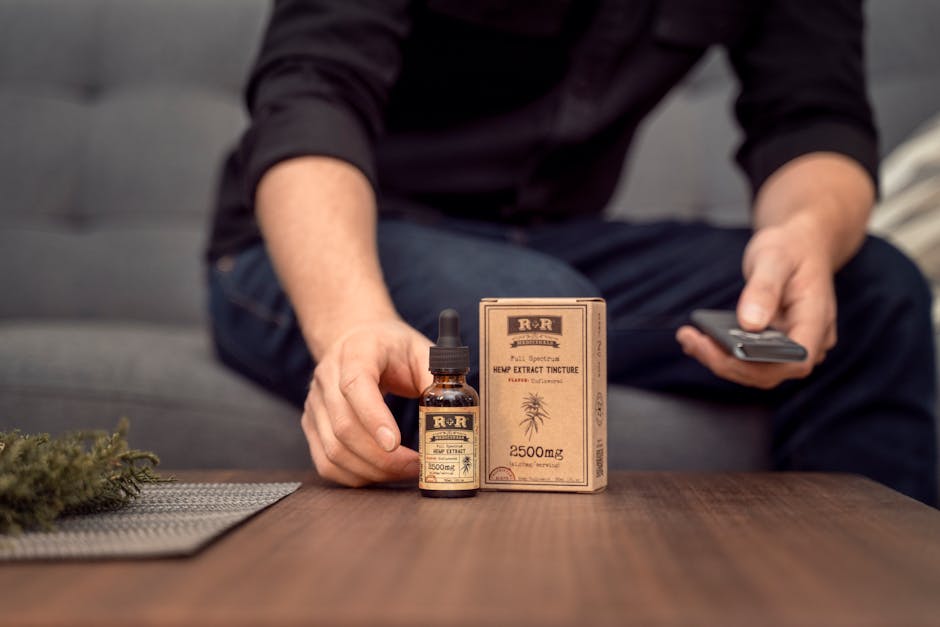
This is why I always recommend checking the lab analysis for actual CBD and THC content and thinking critically about the price per mg. A $30 bottle with 300 mg total CBD might work out to 10 cents per mg; if the studies use 300 mg per dose, that’s $30 per day — not exactly budget-friendly for casual users.
Pre Sleep Routine: Routine, Ritual, and Why It Matters More Than Supplements
Sleep researchers widely agree that one of the most impactful, low-cost interventions for sleep improvement is the establishment of a consistent pre sleep routine or ritual. This routine signals your brain that it’s time to unwind, enabling your physiology to relax and prepare for restful sleep.
Common Elements of Effective Sleep Researchers Routine
- Consistent Bedtime: Going to sleep and waking at roughly the same time daily strengthens circadian rhythms. Screen Curfew: Avoiding blue light exposure from screens at least an hour before bed helps melatonin production. Relaxing Activities: Reading, meditation, journaling, or gentle stretching. Environment Control: Dim lighting, comfortable temperature, minimal noise. Mindfulness around Stimulants: Avoid caffeine, nicotine, and heavy meals close to bedtime.
This ritualistic approach doesn’t just help your body relax; it trains your brain’s sleep-wake cycles over time. The predictability primes you for falling asleep faster and achieving deeper sleep phases — something supplements like CBD gummies can only modestly assist with, if at all.
Ritual vs Supplement: What to Prioritize?
While relying solely on supplements—CBD included—is tempting, especially with slick marketing, the reality is far less guaranteed. Supplements act as tools but can’t substitute the foundational power of well-established routines.
Think of it this way:
Aspect Pre Sleep Routine (Ritual) CBD Supplement Scientific Evidence Strong for improving sleep latency and quality Mixed to weak for direct sleep improvement Cost Low (time investment) Moderate to High Side Effects None Possible drug interactions, purity concerns Regulation Unregulated (non-chemical) FDA scrutiny ongoing; WADA athlete concerns Effect Timeline Builds over weeks Variable, inconsistentIf you’re currently bouncing between CBD brands hoping to fix erratic sleep, reassess your evening ritual first. If you’re curious about CBD’s potential benefits for anxiety or managing minor discomfort, reputable brands with transparent lab testing like Joy Organics could be worth trying—but keep expectations realistic.
Final Thoughts: How to Make Smart Sleep Choices
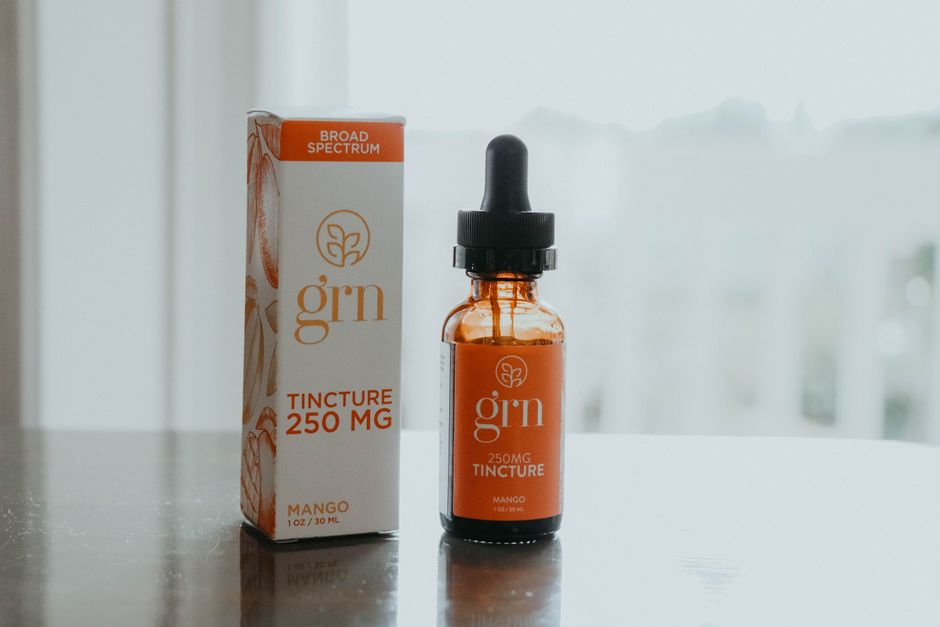
The intersection of sleep science and CBD supplementation is still evolving. Here are some practical takeaways based on current knowledge and real-world experience:
In the grand scheme of things, your bedtime routine is likely more important than CBD for quality sleep and recovery. That doesn’t mean you can’t explore supplements as part of your personal regimen, but the ritual remains king.
Sweet dreams and good gaming (or training) come not just from what you take but how you take care of your body’s natural rhythms.