Let’s talk about the "wine-and-scroll" trap. You know the one. It’s 10:30 PM, the house is finally quiet, but your brain is currently running a marathon through next week's grocery list, school CBD for stress response management permission slips, and that weird look your neighbor gave you at the mailbox. Instead of sleeping, you’re doom-scrolling on your phone, trading genuine rest for blue light and anxiety. I’ve been there, and frankly, I’m over it.
Over the last few years, I’ve tried to swap that evening chaos for something more sustainable. Wellness isn't about "just relaxing"—that advice drives me absolutely bonkers because it ignores the actual physiological state of nighttime hyperarousal. You can’t just "switch off" like a lamp. You need signals. You need rituals. And for many of us, CBD tinctures have become a part of that toolkit.
But here’s the problem: The CBD industry is the Wild West. If you’re searching for a way to support your system, you’ve likely been bombarded with fancy packaging and vague claims. How do you cut through the marketing fluff to find a product that is actually safe and effective? Let’s break it down.
The Red Flags: Why You Should Run (Not Walk) From Vague Brands
I am a stickler for transparency. If a brand hides their lab reports, I don’t care how pretty their Instagram feed is—I’m not buying it. When I look at a website, I immediately look for specific markers of legitimacy. If they aren’t there, it’s a hard pass.
What to watch out for:
- The "Magic Cure" Language: If a brand claims their CBD cures anxiety, depression, or specific medical conditions, they are breaking FDA guidelines and likely cutting corners elsewhere. Hidden Lab Reports: If you can’t find a clearly labeled "COA" (Certificate of Analysis) on their site, close the tab. Period. Vague Dosing Advice: I once saw a bottle that said "take one dropper." That is not a dose; that is a measurement of volume. Without knowing the concentration, that advice is reckless. No Transparency on Sourcing: Where is the hemp from? Is it organic? If they can’t tell you, don’t put it in your body.
The Gold Standard: Why "COA Available" is Your Best Friend
If you take nothing else away from this post, let it be this: third party testing is the only way to verify what is actually in that bottle. A Certificate of Analysis (COA) is a document from an independent lab that confirms the product contains what the label says it does and is free from contaminants like heavy metals, pesticides, and residual solvents.
When I shop, I look for transparent CBD labeling. A good brand, like those found in the Joy Organics USDA certified CBD oil tinctures collection page, makes these documents incredibly easy to find. They aren't hiding anything. They show you exactly what’s in their batches. They have the USDA organic stamp of approval, which adds an extra layer of oversight that I personally value when I’m choosing products for my own wellness routine.
Establishing Your "Brain Signal" Ritual
I treat CBD like I treat a skincare routine—it’s about the ritual, not just the product. Because I suffer from nighttime hyperarousal, I need my brain to know that "the day is over." My ritual is simple, non-negotiable, and has nothing to do with scrolling.
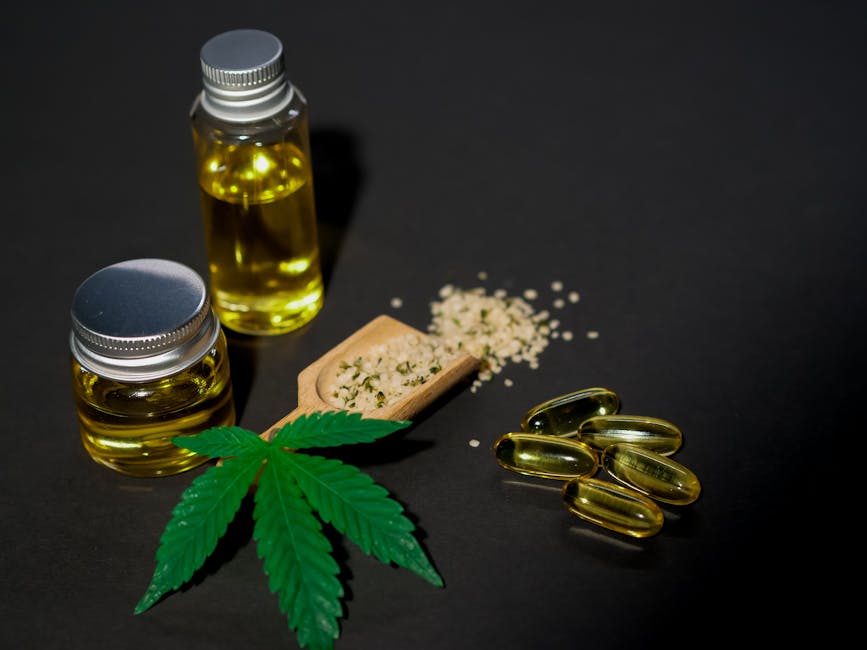
The Wash: I wash my face with warm water. The temperature change is a physical signal to my nervous system. The Brew: I make a cup of decaf herbal tea. Holding the warm mug forces me to be present. The Tincture: I take my CBD sublingually. I place the oil under my tongue and hold it for 30-60 seconds. This allows for better absorption compared to swallowing it immediately.If you’re new to this, check out our recent Geek Mamas internal post about nightwear and sleep to see how we build these environmental cues. CBD is just one piece of the puzzle; you have to support it with a physical environment that welcomes sleep.
The Art of Dosing: Start Low, Go Slow
Moms often ask me, "How much should I take?" and my answer is always: Start low, go slow. If you buy a brand that suggests you take a huge dose right out of the gate, ignore them. You want to find your "minimum effective dose."
Since CBD tinctures offer great dosing control, you can use the dropper to adjust your intake by small, precise increments. Here is how I usually recommend beginners track their progress:
Week Dose Strategy Objective Week 1 Low (e.g., 5-10mg) Check for tolerance and baseline effect. Week 2 Maintain or slight increase Notice if the nighttime "buzz" is quieter. Week 3 Assess Determine if the current dose is sufficient for your routine.Why Onset Timing Matters for Moms
Unlike a glass of wine, which hits you almost immediately, CBD isn't a "quick fix" for stress. Because you are using it sublingually, you might feel a shift within 30-60 minutes, but for some, the real benefits come from consistent use over time. I try to integrate my tincture into my routine about an hour before I want to be in bed. This prevents that "oh shoot, it's midnight" panic when you realize you haven't prepped for tomorrow.
Also, keep in mind that I moderate my comment section quite strictly using tools like Akismet to keep the spam bots away, and I apply that same filter to my wellness routine. If a brand looks "spammy"—meaning they use high-pressure sales tactics or impossible health promises—I don't let them into my life.

Final Thoughts: Trust Your Gut (And the Lab Results)
Finding the right CBD product is personal. It takes a bit of trial and error, and it requires you to be an advocate for your own health. Don't let a brand treat you like a number. If they don't value your right to know exactly what’s in their bottle, they don't deserve your business.
Stop looking for the "relaxation" button and start looking for the evidence. When you find a transparent brand with a COA available and a track record of quality, you aren't just buying a tincture; you’re buying a tiny, reliable piece of your nighttime routine. And CBD for middle of night waking that? That’s worth every penny.
Stay curious, keep checking those lab reports, and for heaven’s sake, put the phone down before the scroll takes over.