I’ve spent 11 years in the trenches of the fitness industry. I’ve seen trends rise and fall, from the “fat-burning zone” hysteria of the early 2010s to the current era of “dopamine hacking” and “protocol” culture. If I’ve learned anything, it’s that we are obsessed with looking for an external cheat code for an internal system that was built to work, not to be hacked.
Every week, someone asks me about the latest supplement stack for motivation or focus. They’ve read an article about how dopamine is the “feel-good chemical” and they want to buy it in a bottle. Let’s get one thing out of the way immediately: If you are calling dopamine a "feel-good chemical," you are already starting from a place of misunderstanding. Dopamine is a molecule of *anticipation*. It’s about drive, prediction, and the pursuit of a reward—not the pleasure of the reward itself.
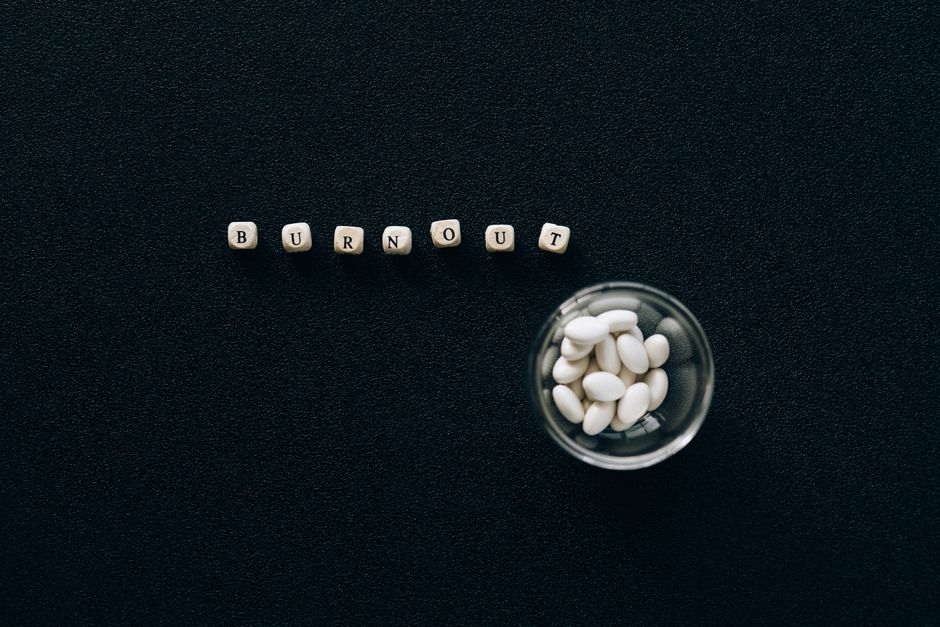
And when it comes to the question of whether supplements or lifestyle win the battle for your brain, I’m going to be blunt: The supplement industry is banking on your exhaustion. They want you to believe that a pill can fix what your environment is actively breaking. But what would you actually do on a Tuesday night? If you’re doom-scrolling, eating processed food, and sleeping six hours, a $60 bottle of supplements isn’t going to save your motivation.
The Complexity of Dopamine (And Why Internet Clichés Fail You)
You’ve probably seen the term "dopamine detox" thrown around on social media. It sounds scientific, but it’s mostly just rebranding common sense. The Cleveland Clinic has noted that dopamine is a complex neurotransmitter involved in reward, motivation, memory, and even motor control. It isn't just a volume knob for "happiness."

When you try to "hack" your dopamine with supplements, you’re often fighting a physiological reality that no pill can override. We are living in an era of digital overstimulation. Your smartphone is effectively a slot machine in your pocket. The social media algorithms running your feed are designed to provide a "variable reward" schedule—the same mechanism that makes gambling addictive. Every notification or "like" creates a micro-spike of dopamine, followed by a crash that leaves you wanting more. This isn't a deficiency; it's an overdose of input.
The Comparison Table: Reality vs. The "Quick Fix"
Factor Supplement-Only Approach Lifestyle-First Approach Consistency Relies on remembering/purchasing pills Relies on behavioral habits Root Cause Treats the "feeling" of burnout Addresses the environment/input Cost High monthly recurring cost Low cost, high "time" investment Sustainability Fragile; fails under high stress Resilient; builds baseline capacityWhy Lifestyle is the Non-Negotiable Foundation
If you aren’t nailing the basics of sleep exercise nutrition, supplement skepticism isn't just healthy—it’s logical. You cannot supplement your way out of a sleep-deprived brain. During sleep, your brain undergoes a process of glymphatic clearance. If you are constantly glorifying sleep deprivation as a badge of honor, you are essentially handicapping your brain’s ability to regulate the very neurotransmitters you’re trying to optimize.
1. Exercise as Mental Maintenance
I’m not talking about flashy, high-intensity routines that leave you crushed for three days. I’m talking about walking and basic strength training. Exercise doesn't just "burn calories"; it modulates your stress response. When you lift weights or go for a brisk walk, you’re helping your brain process norepinephrine and dopamine in a way that is grounded in physical effort. It’s the difference between a "synthetic" dopamine spike from a screen and an "earned" dopamine release from activity.
2. The Role of Nutrition
Your brain is a metabolically expensive organ. If you’re fueling it with ultra-processed foods, you are essentially creating chronic inflammation, which makes it harder for your brain to synthesize and utilize the neurotransmitters it needs. Think of nutrition as building blocks, not magic wands. You need the amino acid precursors for dopamine, which you get from real, whole-food protein sources.
3. Digital Hygiene
If your dopamine support lifestyle involves constant smartphone use, you are fighting a losing battle. The social media algorithms are optimized to capture your attention for as long as possible. The more time you spend in a state of high-arousal, low-effort reward, the more desensitized your reward system becomes. This is why walking without a podcast or taking an hour of "phone-free" time at night is more overcoming phone addiction for productivity effective than any focus supplement on the market.
Where Supplements Actually Fit In
Am I saying supplements are useless? No. I’m saying they are overpromised. In my experience, supplements should act as a safety net—not the floor. For example, some people find that targeted support, like CBD products from companies such as Joy Organics, can help manage the physical manifestations of stress. When stress is lower, your sleep quality improves. When sleep improves, your drive the next day improves. That is a logical, systemic win.
However, notice the pathway: Stress management → Better sleep → Better recovery → Better motivation. The supplement is a tool to help the *lifestyle* work, not a replacement for the lifestyle itself.
What Would You Actually Do on a Tuesday Night?
This is my favorite litmus test for clients. Everyone has big, shiny goals on a Monday morning. They’re ready to buy all the supplements and start the "bio-hacking" routine. But what happens on a Tuesday night? You’re tired, you’ve had a long day, the house is a mess, and the couch is calling.
If your plan for dopamine support relies on a complex stack of ten different pills, you won't do it. If your plan relies on putting the phone in a drawer at 8:00 PM and doing ten minutes of stretching, you might actually succeed. The best fitness routine is the one that accounts for the fact that you are a human, not a laboratory experiment.
A Practical "Baseline" Routine
The 30-Minute Morning Reset: No phone for the first 30 minutes. Use this time for natural light exposure or movement. The "Tuesday Night" Buffer: Set a hard stop for screens one hour before bed. Use this time for reading or preparing for the next day. Movement over Intensity: Aim for 30 minutes of movement daily. If you can’t get to the gym, walk. If you can’t walk, move around your house. Just don't sit in the same chair for six hours. Consistent Sleep: View sleep as a non-negotiable performance requirement. If you can't get 7-8 hours, look at your evening schedule before looking at a supplement catalog.The Bottom Line on Supplement Skepticism
We are currently living through a marketing-heavy era of health where "dopamine" is the buzzword of the year. Companies want you to think you are broken, and they have the $50 fix waiting for you in your shopping cart. It’s easy to buy a bottle. It’s much harder to curate an environment where your brain can function naturally.
Focus on your sleep. Focus on your movement. Audit your screen time. If you do those three things consistently, you won't need to hunt for the latest dopamine-support magic pill. You’ll be too busy actually feeling good to notice that you aren't "hacking" anything at all. You’re just living.
Stop looking for the secret. The secret is that there isn't one. The secret is the boring stuff https://highstylife.com/how-to-build-a-7-day-routine-to-reclaim-your-motivation-without-the-burnout/ that you do, over and over, on a Tuesday night when no one is watching.